World News Education Special
IGCSE French Preparation: Expert Tips from LearnFLE.fr
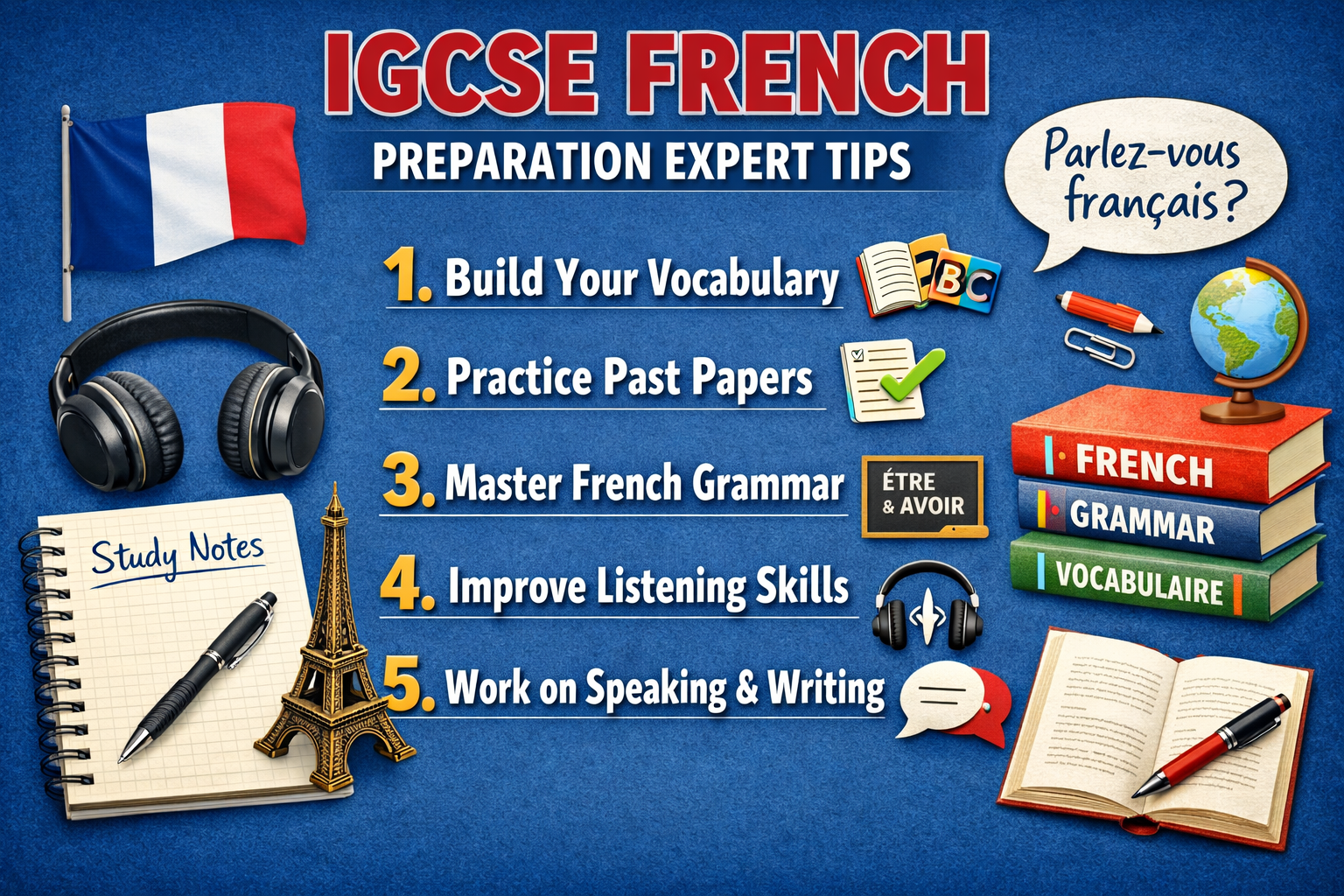
Paris/Delhi — December 27, 2025 — As the world’s education systems continue to emphasise multilingual fluency, the Cambridge IGCSE French exam has become a gateway for students aiming to excel in global communication and cultural literacy. In this context, LearnFLE.fr, a leading online French-learning platform, is gaining attention for its tailored guidance and expert-backed strategies that help school students prepare effectively for IGCSE French. Drawing on insights from LearnFLE’s approach and proven language-learning principles, this article offers a comprehensive roadmap for IGCSE French success.
1. Understand the IGCSE French Exam Landscape
The IGCSE French exam assesses the four core language skills: listening, reading, writing, and speaking. Success requires not just vocabulary memorisation but the ability to use the language in authentic contexts — from understanding spoken passages to producing coherent written responses and fluently expressing ideas orally. Regular practice across all these skills helps students perform confidently on exam day.
LearnFLE.fr’s philosophy aligns with this integrated skills approach, stressing balanced development rather than isolated study. Its tailored offerings for school boards (including IGCSE) explicitly focus on phonetics, comprehension, grammar, and written expression — all of which mirror the exam’s demands.
2. Build a Structured Study Plan
Experts agree that structured preparation is key to mastering IGCSE French:
📌 Divide your study time by skill: Set dedicated blocks for listening, reading, writing, and speaking each week.
📌 Use a syllabus checklist: Break down topics into manageable chunks to ensure comprehensive coverage.
📌 Plan backwards from the exam date: Prioritise revision of weaker areas while maintaining strength in familiar topics.
LearnFLE.fr supports students by encouraging weekly planning that includes review and assessment, not just passive review — an approach shown to improve exam readiness.
3. Master Vocabulary and Grammar Foundations
Vocabulary and grammar are the bedrock of language mastery. A broad thematic vocabulary bank — from daily life and school to travel and environment — allows students to handle varied prompts across all papers. Flashcards, digital tools, and spaced-repetition techniques are widely recommended as effective retention strategies.
Likewise, solid grammar — including verb tenses, agreement, and sentence structure — ensures clarity and accuracy, particularly in written and spoken tasks. LearnFLE.fr courses reinforce these fundamentals through targeted exercises and contextual usage, helping students internalise patterns rather than just memorise rules.
4. Listening and Reading: Real-World Exposure
Success in listening comprehension hinges on familiarity with natural spoken French. Incorporate daily listening routines using French podcasts, news, films, or audio exercises — ideally with and without subtitles — to build comprehension speed and confidence.
For reading comprehension, regular exposure to French texts — from articles to short stories — helps students recognise vocabulary in context and grasp meaning quickly. LearnFLE.fr emphasises consistent practice using texts that mimic exam style, improving both speed and accuracy.
5. Writing with Purpose and Structure
In the writing component, performance is judged on clarity, coherence, vocabulary range, and grammar accuracy. Effective strategies include:
- Practising multiple text types (formal letters, informal emails, essays).
- Using connectors (e.g., cependant, en outre) to structure ideas.
- Planning responses before writing — this reduces errors and enhances coherence.
Mock writing tasks and detailed feedback — elements highlighted in expert preparation advice — help students refine their style and build confidence. LearnFLE.fr encourages daily written practice and discrete feedback loops to cement improvement.
6. Speaking Practice: Fluency over Perfection
The oral exam often causes anxiety, but it’s also one of the most rewarding parts of language learning. Boost fluency by:
- Practising with peers, tutors, or language partners.
- Recording and reviewing spoken responses.
- Preparing on common topics (family, hobbies, school, future plans).
LearnFLE.fr emphasises the importance of active conversation practice, role-plays, and use of natural phrases to help students articulate ideas confidently in real time. This practical exposure mirrors real exam conditions and builds spontaneous communication skills.
7. Use Past Papers and Timed Practice
One of the most effective preparation techniques is working with past IGCSE exam papers to understand format, question types, and timing. Under timed conditions, this builds practical stamina and pace, while reviewing mark schemes reveals common pitfalls and examiner expectations.
Stay mindful of time — spending too long on one section can jeopardise performance elsewhere. Students should aim to simulate real exam conditions during mock sessions to reduce nervousness and increase speed.
8. Embrace Immersion Beyond the Classroom
Language learning extends beyond exercises and textbooks. Immerse yourself in French culture — music, films, news, and literature — to internalise expressions and pronunciation naturally. This not only enriches language competence but also motivates sustained practice, an approach recommended by both linguists and language educators alike.
Regular exposure to the language in real contexts helps students think in French rather than translating from their first language, a key advantage in both written and oral exams.
9. Track Progress and Stay Motivated
Monitoring progress keeps preparation focused. Keep a study journal, record strengths and weaknesses, and set weekly goals. Celebrating small achievements — like mastering a verb tense or delivering a fluent oral response — builds momentum and reduces burnout.
LearnFLE.fr also encourages setting measurable milestones (e.g., length of spoken response, number of vocabulary items learned), helping students pace themselves meaningfully.
10. Balance Confidence with Exam Strategy
On exam day, confident pacing, careful reading of instructions, and strategic prioritisation make a tangible difference. Begin with sections you’re most comfortable with, and leave time for review — especially in writing tasks. Fluency and clarity matter more than perfection, particularly in speaking sections where hesitation can undermine performance.
Stay calm and focused — stress can impede recall, even when preparation has been strong. Practice under pressure ahead of time to build resilience.
Conclusion: A Roadmap to IGCSE French Success
Preparing for IGCSE French is a multifaceted journey — one that blends structured study, active practice, cultural immersion, and strategic revision. Expert guidance from platforms like LearnFLE.fr helps students build strong foundations, develop confidence across skills, and approach exams with clarity and poise.
Whether you’re just beginning or polishing your proficiency, consistent effort and smart preparation can unlock not just academic success but lifelong linguistic confidence. With global communication continuing to grow in importance, mastering French at the IGCSE level can be both a personal and professional asset long into the future.
French classes for school students in Delhi